


On April 1, Piedmont University announced the elimination of Late Night at The Commons.
Late Night offered students a space to unwind, socialize, and access food during extended hours. It was particularly beneficial for those with late classes or busy schedules.
The decision has sparked concern among students who relied on this service for convenience and community-building, potentially affecting campus life and engagement.
But why would Piedmont University get rid of Late Night given the overwhelming success of the program? The real answer: to force students into a healthier circadian rhythm.
According to research conducted by the American Heart Association, cardiovascular and metabolic health are influenced by the circadian system, which regulates 24-hour rhythms across numerous physiologic systems.
Having a healthier circadian rhythm means aligning your body’s internal 24-hour clock, assisting with regulating sleep, hormones and metabolism.
“A healthy circadian rhythm boosts energy, improves sleep quality, and supports metabolic health by optimizing when you eat, sleep, and exercise,” explained Heth Cottrell, Assistant Director of Dining Services. “We are doing students a favor by encouraging them to establish routines that promote better sleep and overall well-being.”
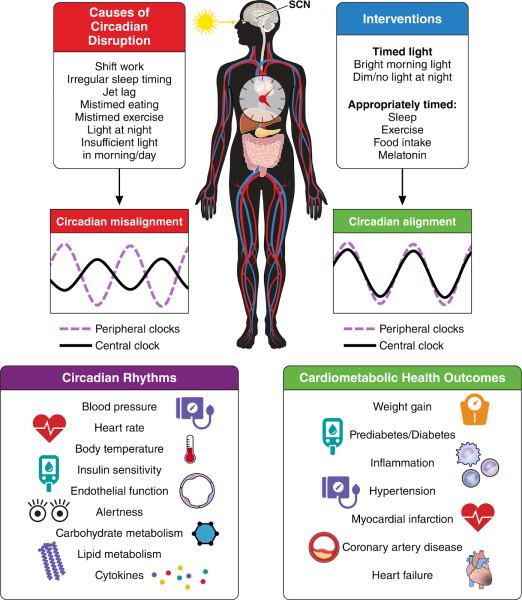
This decision aligns with research showing that late-night eating and irregular schedules can negatively impact health. However, it remains to be seen whether students will adapt positively or feel that the loss of Late Night outweighs the intended benefits.
Late Night will be missed forever by those who enjoyed hanging out with friends in the relaxed atmosphere it provided. Many students feel that the program was a key part of campus life, offering a unique space for connection and stress relief.