
CREDIT: wafb.com
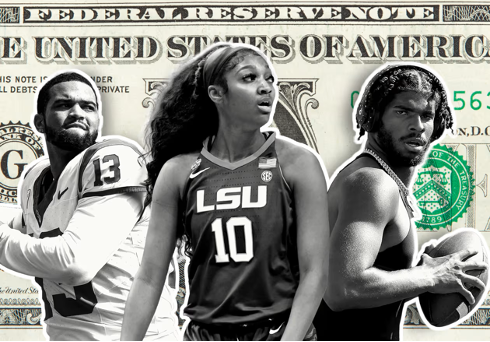
Name, image and likeness (NIL) allows college athlete’s the right to monetize their name. This includes profiting off their name, athletic performance and public reputation. Before 2021, athletes were not allowed to earn a profit based on their NIL. The National Collegiate Athletic Association (NCAA) allowed universities and media companies to profit off an athlete but the athlete could not profit off themselves.
In July 2021, the NCAA changed their policy, allowing athletes to benefit from NIL and not interfere with their eligibility. This policy change came after years of public criticism and legal actions against the NCAA.
NIL is not schools paying athletes to play. NIL compensation must be tied to a business activity. A business activity could include an athlete’s participation in an advertisement. All NIL deals must follow the NCAA guidelines along with the university guidelines and state laws.
NIL opportunity is closely related to the division and visibility. Athletes like Arch Manning, who are at a high-profile Division I program, sign endorsement deals with huge brands. Athletes outside of the major Division I programs earn smaller deals that are localized. NIL opportunities are limited at the Division II and Division III level due to limited resources and media exposure.
NIL brings financial benefits for college athletes but it also brings responsibility. Athletes with NIL deals are faced with balancing their contracts, personal branding, academics, training and competing. NIL can provide athletes with valuable experience in marketing, entrepreneurship and financial literacy. Athletes have the opportunity to turn their NIL deals into life lessons and educational opportunities.
The pressure to obtain their personal brand can create stress for athletes. Athletes who do not have the proper guidance risk being exploited by companies. NIL will continue to shape college athletics and bring new opportunities for athletes.